
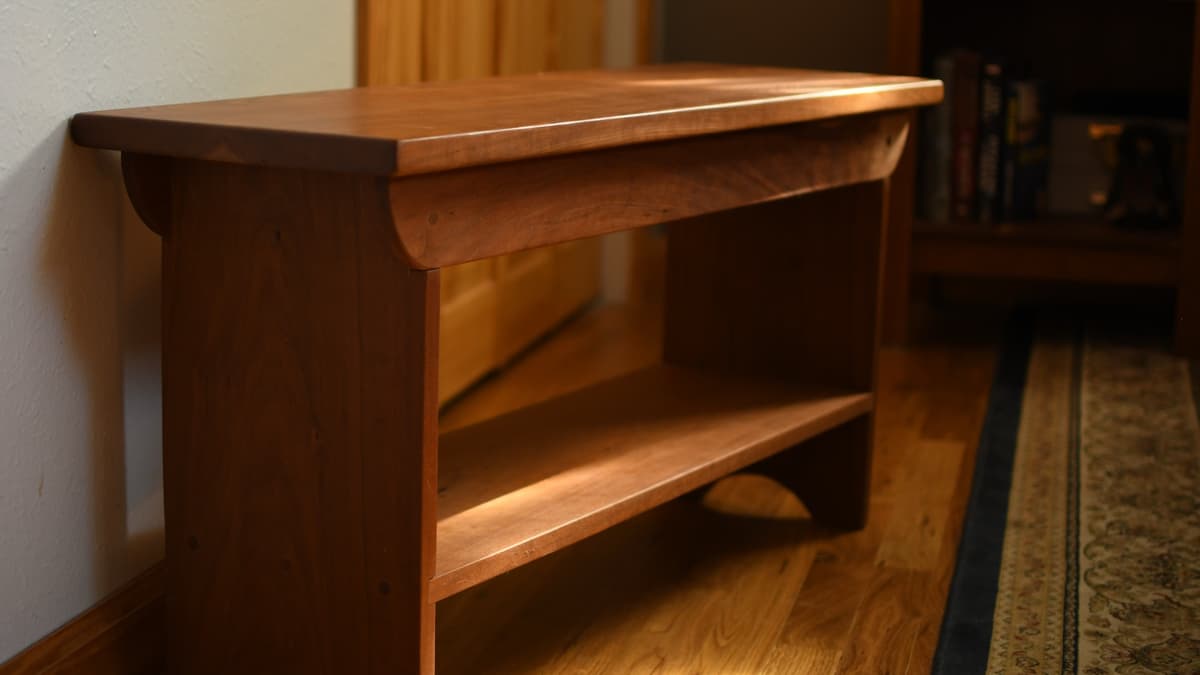
Custom furniture
Heirloom dining tables, beds, live-edge consoles and statement pieces.
Furniture
Heirloom farmhouse, live-edge and outdoor tables with the benches that go with them, planned around your dining room, the people you seat and how hard the table gets used.
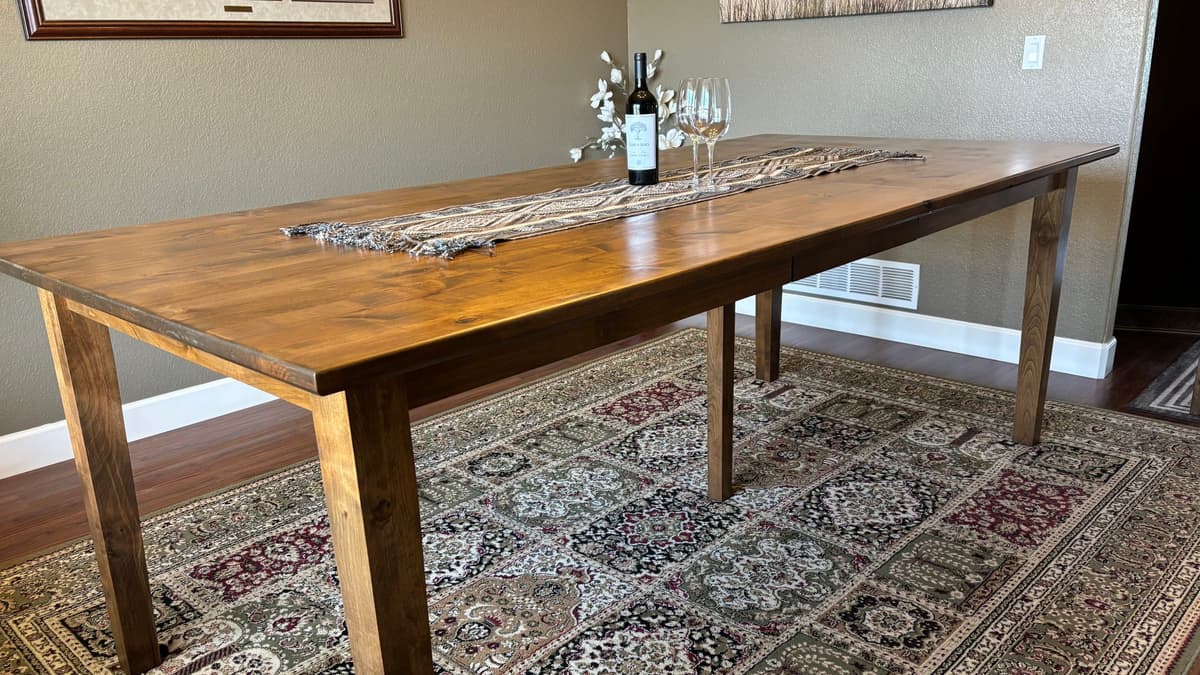
What we build
Statement tables for Springfield-area dining rooms, kitchens and decks, and the range the line covers.
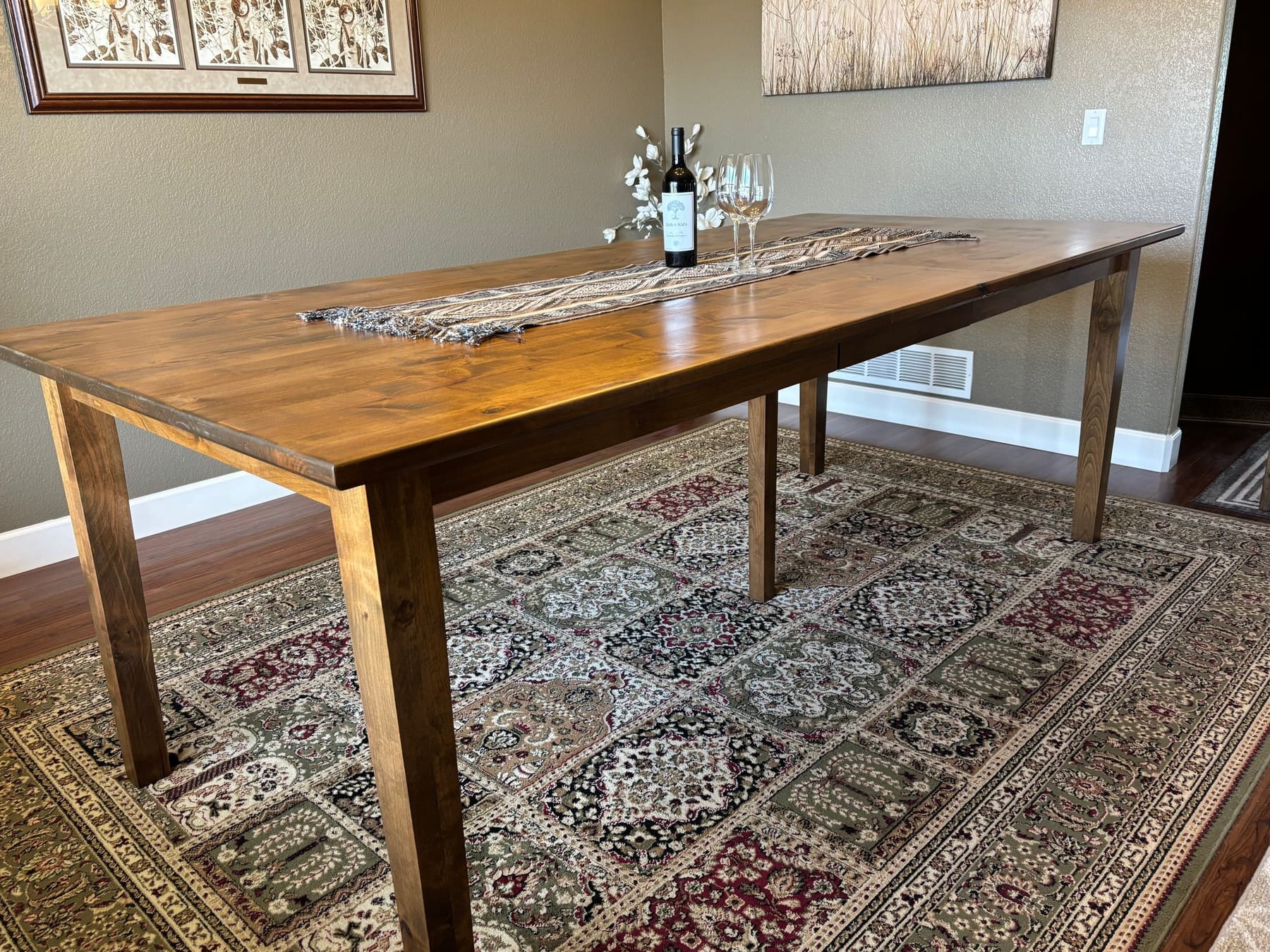
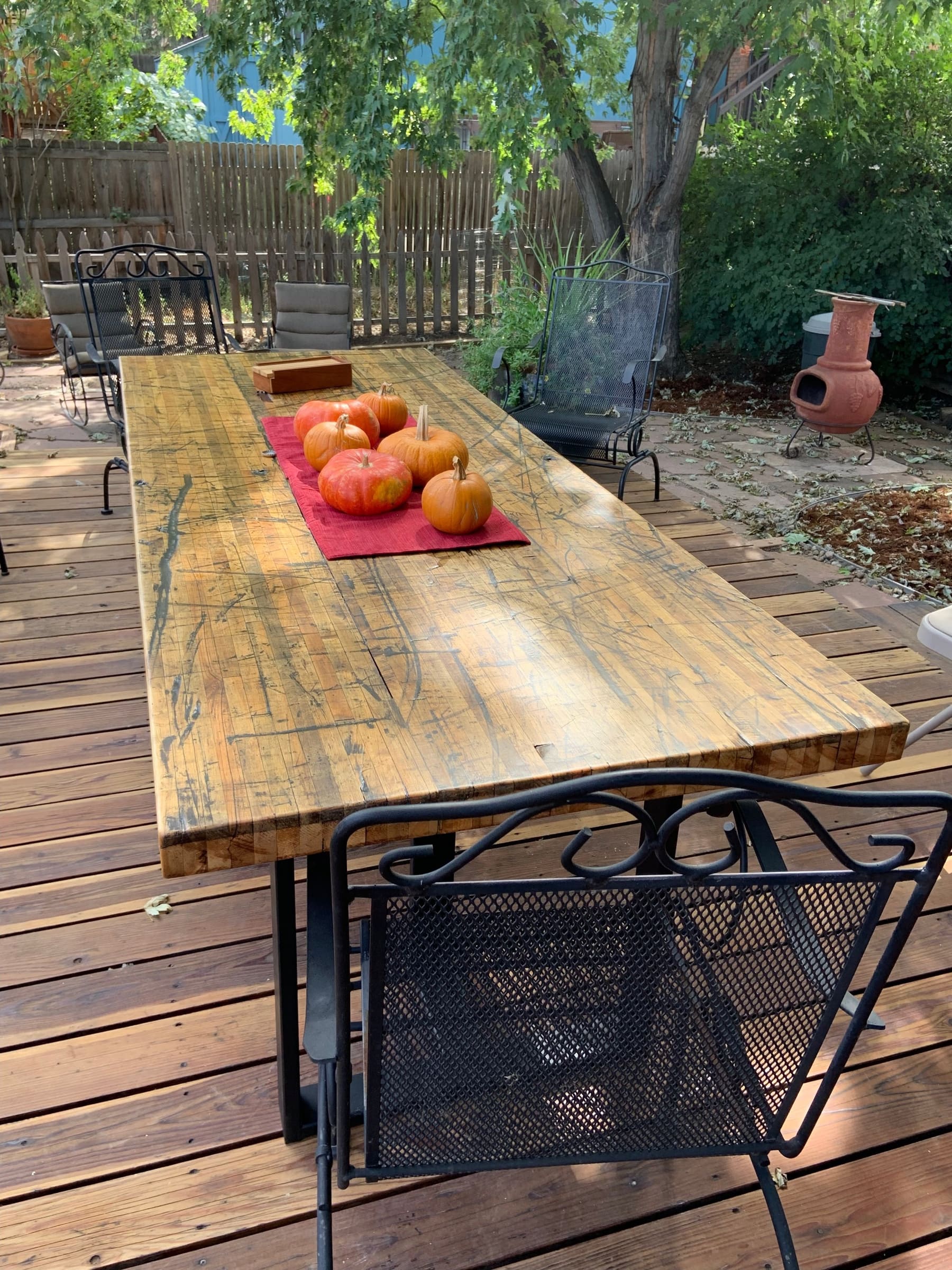
Recent work
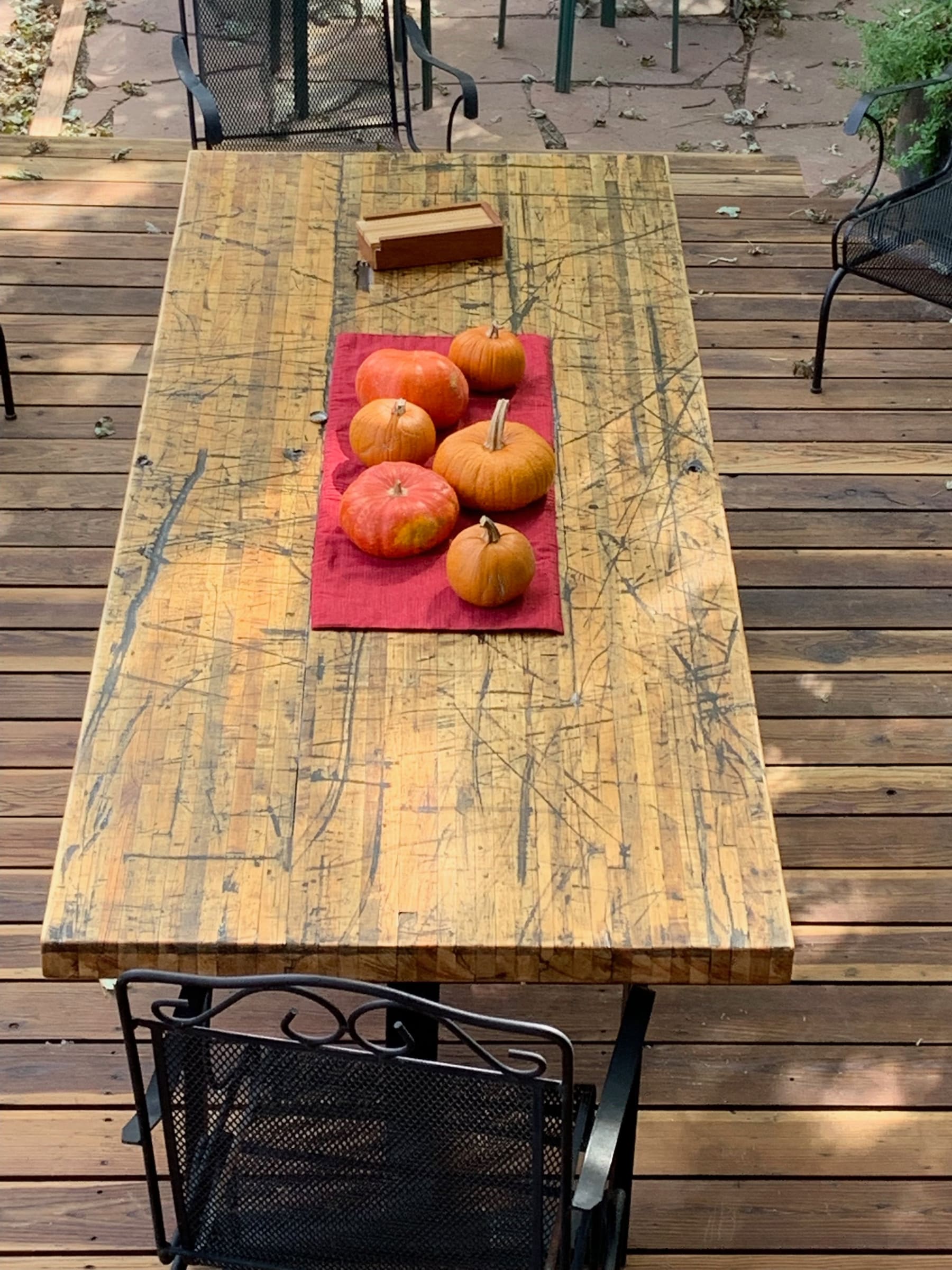
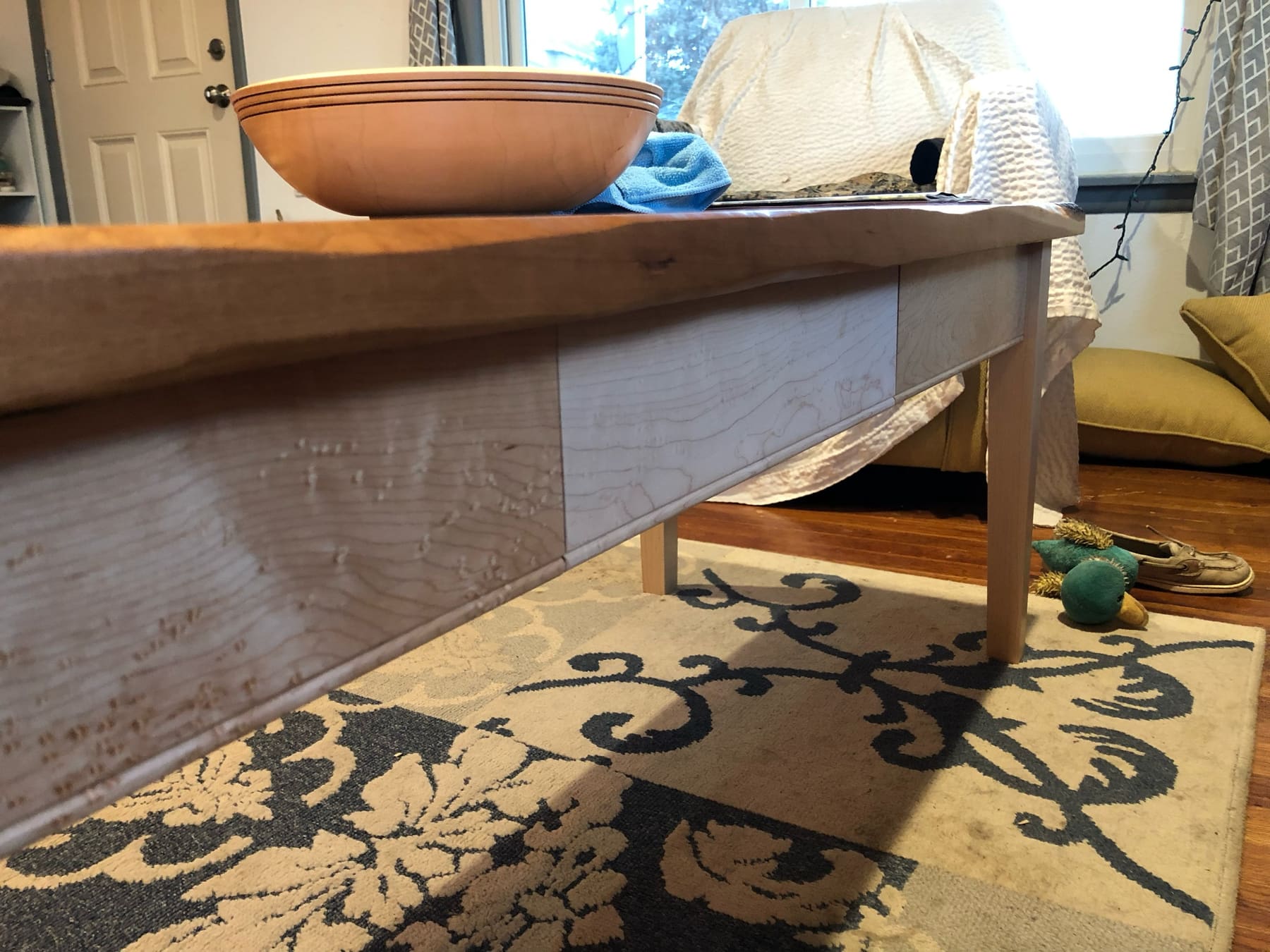
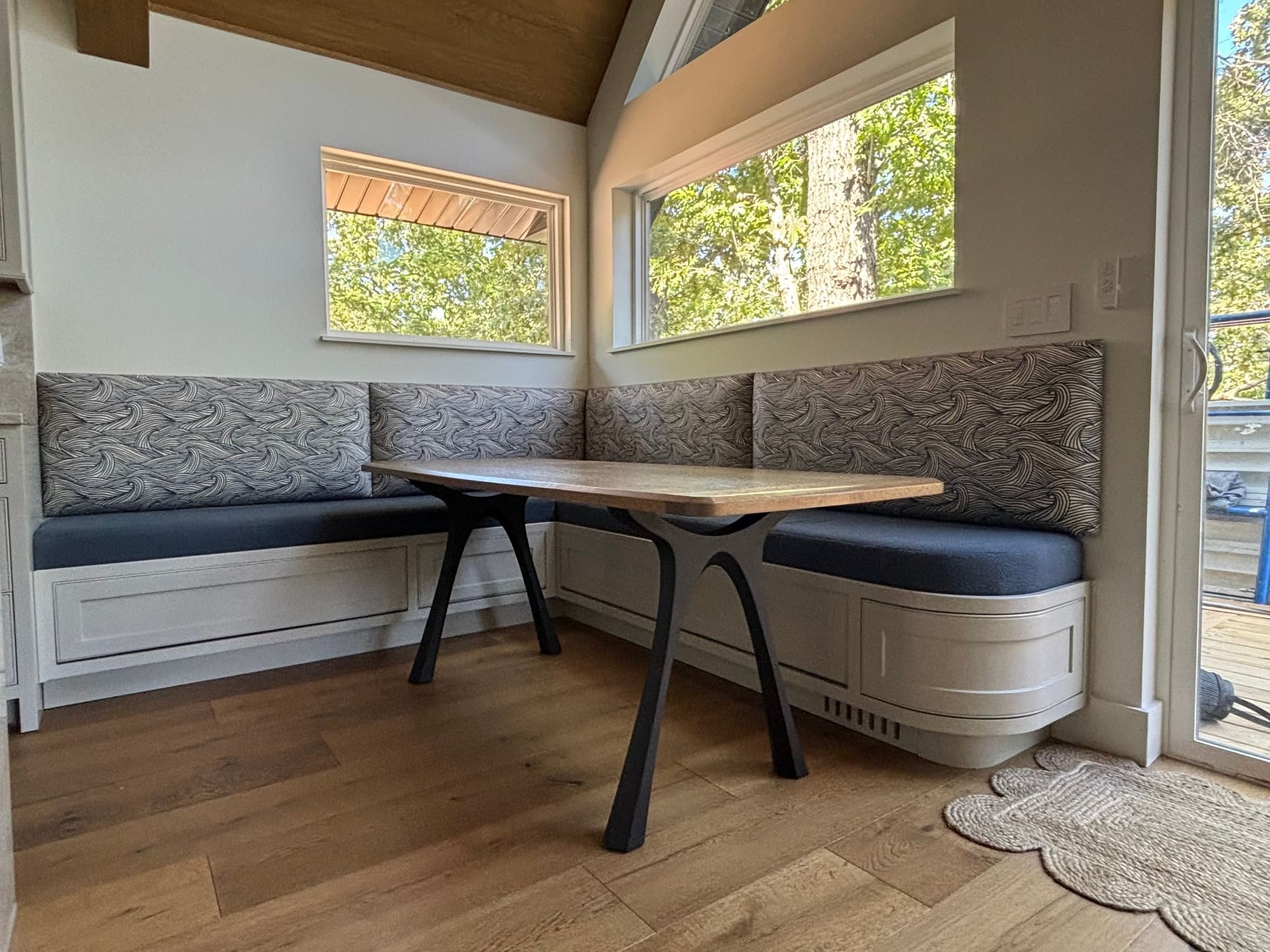
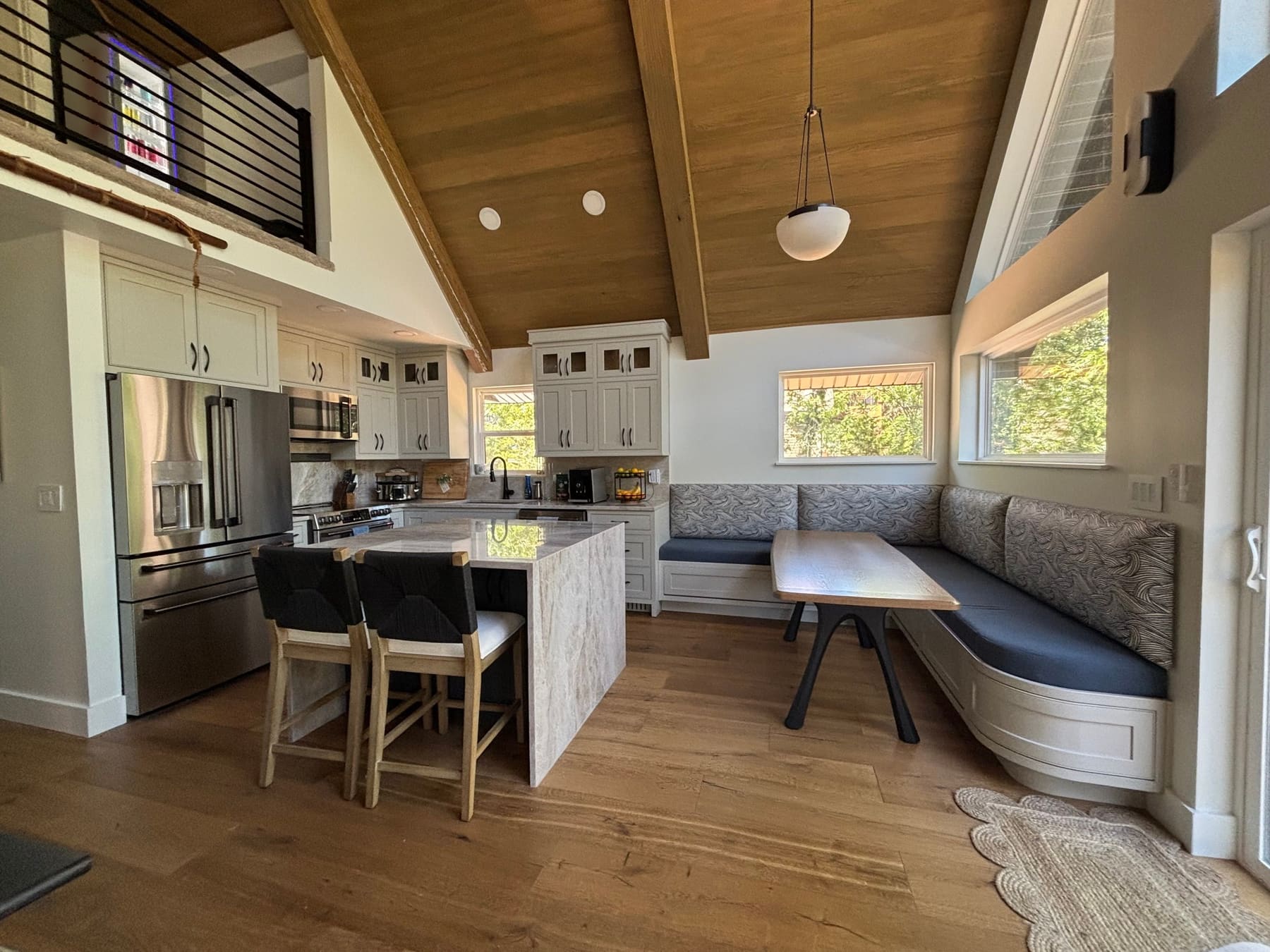
A farmhouse table, an outdoor table, a bird’s-eye maple apron and the table in a breakfast nook.
Planning a table
The questions we work through at the consultation, before a line gets drawn.
How hard common table woods are
Janka hardness in pounds-force: the force it takes to press a steel ball halfway into the wood. Higher numbers resist dents better.
Cost
Tables are quoted with the plan after the consultation. Size and wood move the number most.
National and published ranges, not a Cambium quote
| Scope | Range | Source |
|---|---|---|
| Compact table, 5 to 6 ft, seats 4 to 6 (one maker’s tier) | $1,500 to $2,500 | Graeber Design, 2026 |
| Family table, 6 to 8 ft, seats 6 to 8 (one maker’s tier) | $2,500 to $5,000 | Graeber Design, 2026 |
| Intricate hardwood dining table, national | $10,000 to $20,000 | HomeAdvisor, 2026 |
Checked September 2026. Graeber Design’s tiers are one maker’s prices, not a survey.
Questions
Anything else, call or text.
One maker’s published tiers run $1,500 to $2,500 for a compact 5 to 6 foot table and $2,500 to $5,000 for a 6 to 8 foot family table (Graeber Design, 2026). Ours is quoted with the plan after the consultation, before anything gets built.
One that stands up to daily use. Hickory, hard maple and white oak rate higher on the Janka scale than walnut or cherry, so they resist dents better (The Wood Database). Walnut and cherry get picked for color and figure.
Oil-based varnishes, polyurethane among them, are some of the toughest common finishes against scratches, water and heat; a plain oil finish gives the least water protection (Bob Flexner, Popular Woodworking). We match the finish to how the table gets used.
Use coasters and trivets, wipe spills, and keep the table away from heating vents and strong direct sun. Steady indoor humidity helps: at 70°F, 30 to 50% relative humidity holds wood near 6 to 9% moisture (USDA Forest Products Laboratory).
How it works
From concept and design through installation.
We review your ideas, your space and your style.
You get a detailed plan, a timeline and an estimate.
We build your project to the plan you approved.
We install the finished work.
Related
Heirloom dining tables, beds, live-edge consoles and statement pieces.
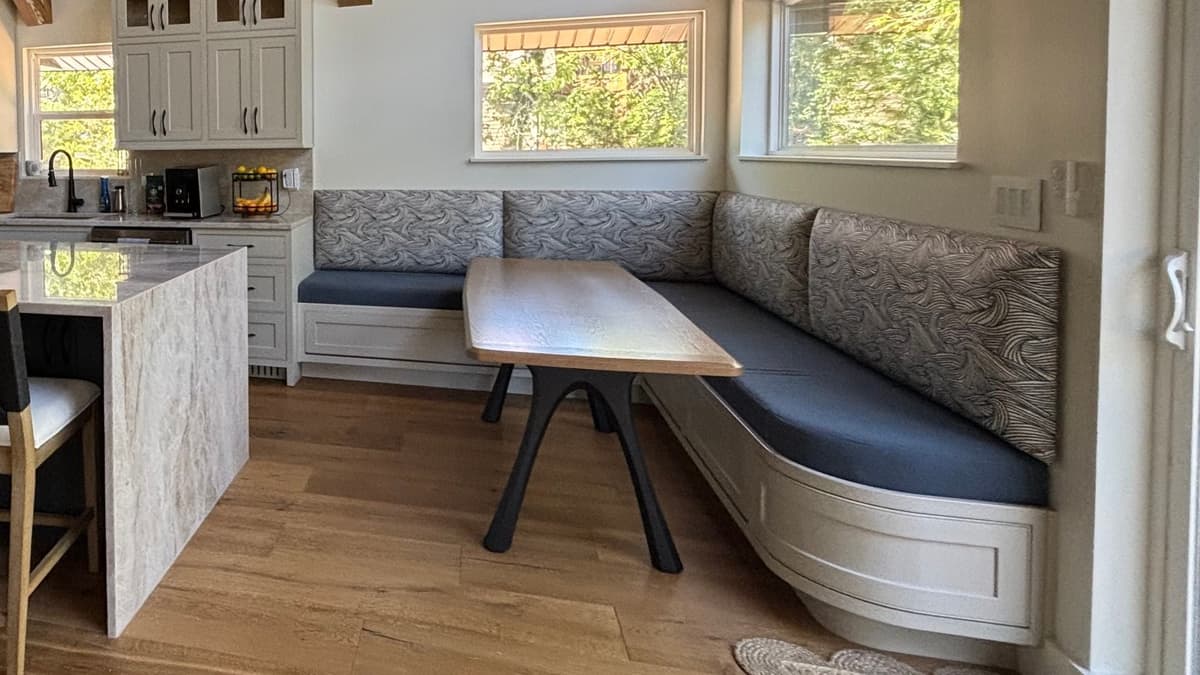
Whole-room built-ins: library walls, banquettes, mudrooms and pantries.
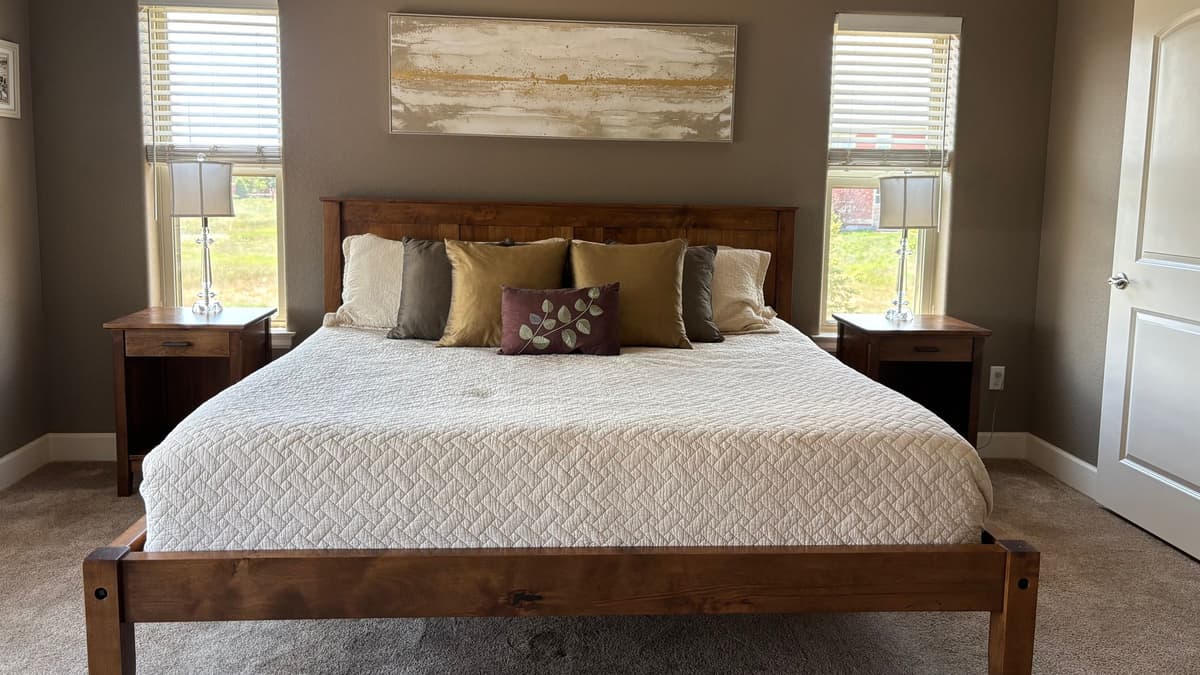
Heirloom beds and matched bedroom suites with dovetailed nightstands.
Start a project
The room size, a rough seat count and a photo of a table you like is plenty to start. We’ll get back to you to talk it through.